
Allergy Diagnosis: The Skin Prick Test
Diagnosing Allergic Diseases: The Skin Prick Test
Correct diagnosis plays a key role in treating allergic diseases. In immediate-type allergic reactions, the immune system produces specific class E immunoglobulins (IgE) against particular allergens. On repeated contact with the allergen, these antibodies trigger an allergic reaction.
The skin prick test is one of the main methods for diagnosing IgE-mediated allergic diseases. It reveals sensitization to suspected allergens through the development of a local allergic skin reaction.
How the Skin Prick Test Is Performed
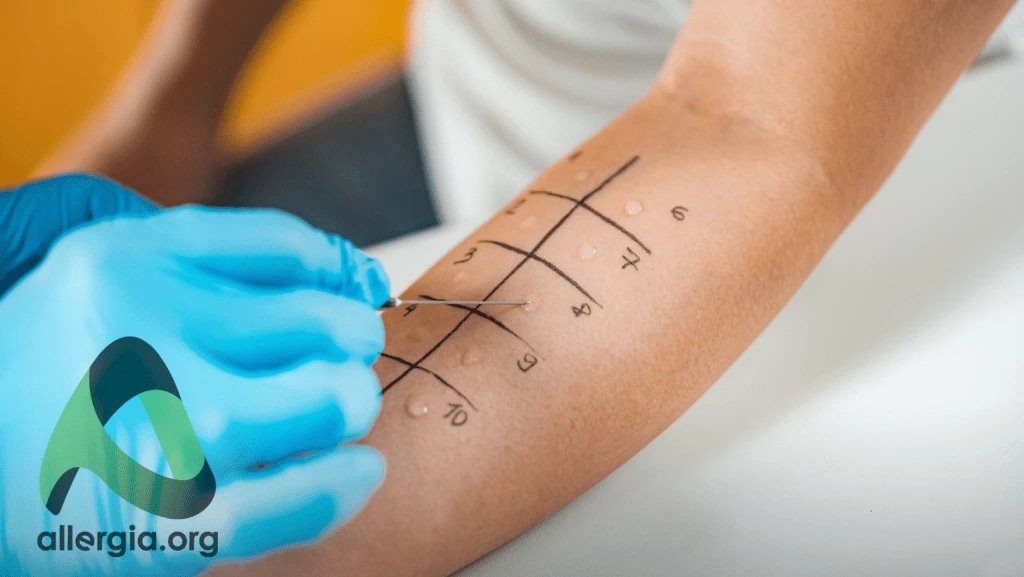
The procedure is simple: drops of solutions containing various allergens are applied to the skin of the inner forearm or upper back. The physician then makes a superficial skin prick through each drop using a special disposable lancet. Several allergens can be tested in a single session. The allergen application sites must be at least 2 cm apart.
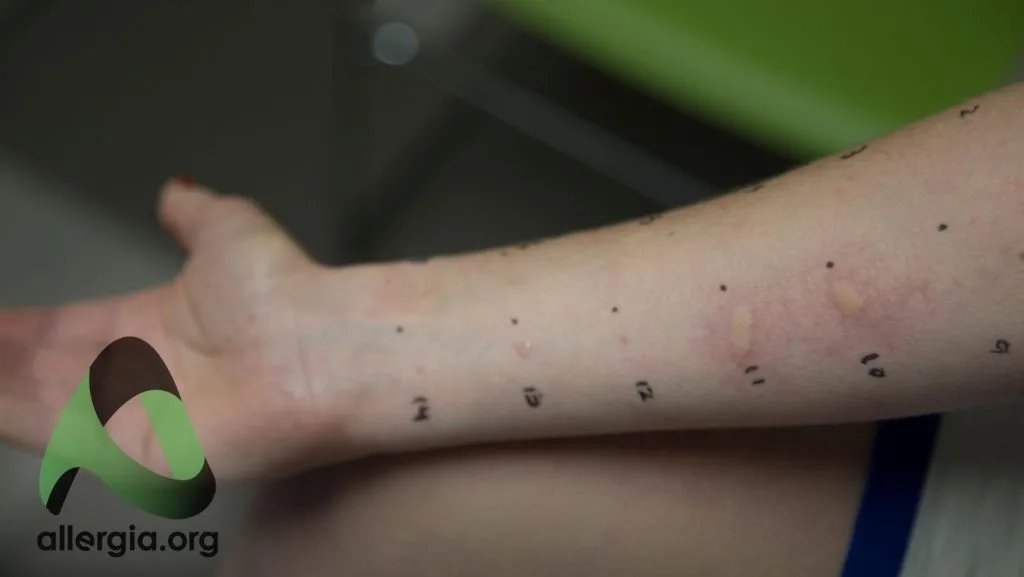
After 15–20 minutes, the physician evaluates the test results. If a wheal forms at the allergen site that is at least 3 mm larger than the negative control, the result is considered positive.
Rules for Skin Prick Testing
The following rules are important during skin prick testing:
- strictly maintain the spacing between allergen solution sites: at least 2 cm apart;
- the skin prick must be superficial and must not cause bleeding, as this may lead to a false-positive result;
- insufficient prick depth may lead to a false-negative result;
- do not use expired tests or preparations — expired tests are less informative;
- prick tests are performed only on healthy skin without inflammation, rashes or other damage.
Contraindications to Skin Prick Testing
There are a number of contraindications to skin testing:
- exacerbation of an allergic disease;
- acute infectious diseases accompanied by fever;
- pronounced dermographism;
- widespread skin lesions in the test area (e.g., atopic dermatitis).
Important Recommendations
Before a skin prick test, patients must inform the physician about all medications they are taking.
Antihistamines can affect the test results, so they are temporarily discontinued before testing. The washout period depends on the specific drug and is determined by the treating physician.
The skin prick test is a fast, simple and informative method for diagnosing allergies. It is performed only in a medical facility equipped to provide care in the rare event of a systemic allergic reaction.
KombiMED supplies skin prick test kits from leading European manufacturers, as well as allergy diagnostics equipment, to clinics and laboratories in Central Asia, the Caucasus and Eastern Europe.
Related articles
Allergology
Allergology
Allergology
Planning a purchase in this area?
Tell us what your laboratory needs and we will send you a tailored offer.
Contact KombiMED