
How a Microscope Works: Design and Principle
A microscope is an optical instrument that magnifies an image more than 500 times. It lets you examine the smallest details, from dew droplets and dust mites to blood and bone marrow cells. The design of a microscope is not particularly complex, and anyone can operate one, even without special training. Once you understand how the instrument is built and how it works, you can easily study the fine structure of any solid or liquid substance.
What Parts Make Up a Microscope
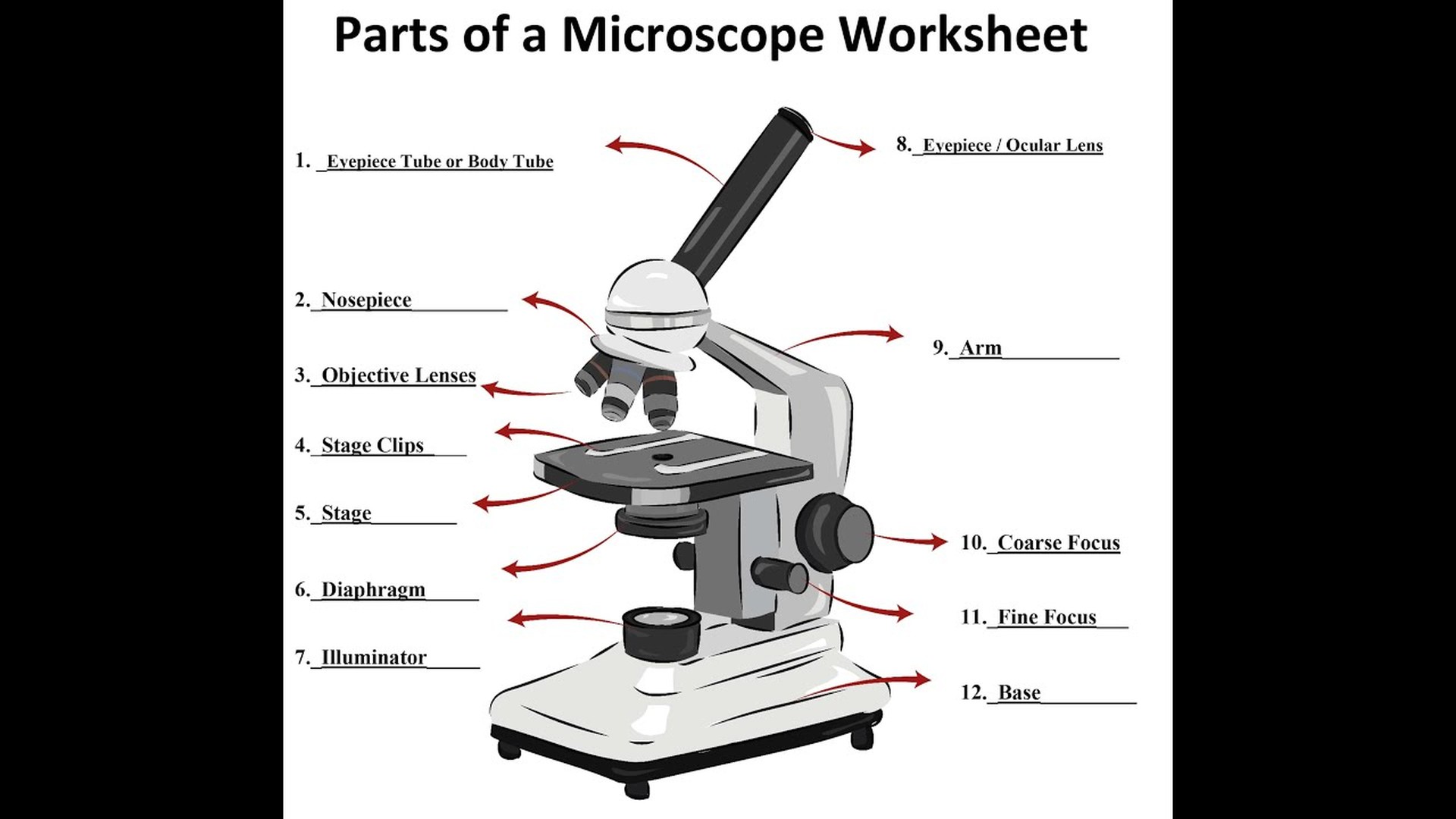
Microscopes are used most widely in laboratory work. Physicians and laboratory technicians use monocular and binocular microscopes. Older microscopes used a mirror for illumination, but today electric instruments are standard. They plug into the mains and provide light with a lamp, which makes it possible to work with the instrument at any time of day or night. A laboratory microscope is built as follows:
The mechanical part, consisting of the tube and tube holder, the coarse and fine focus knobs, the stage (sometimes with a mechanical stage for moving the slide) and a revolving nosepiece with 3-4 objectives.
The optical part, which includes the eyepieces, objectives and lenses. Attachments and filters can also be supplied to obtain the required type of image.
The electrical part, which includes the power cord, the lamp and the on/off switch.
The working principle of a microscope is that a beam of light passes through the specimen, the image is magnified by the objective and then passed through another lens with additional magnification and through the eyepiece onto the retina of the eye. This principle applies even to instruments in which a beam of electrons passes through the glass. When deciding which
microscope to buy
and what it will be like to work with, this basic knowledge is enough. Beyond that, the choice depends on your specific needs: magnification power, number of eyepieces, and whether illumination or a mechanical stage is included.
Rules for Working with a Microscope
Setting up the optical instrument requires no special skills. It is easy to move around and reposition; during work it is best placed on a table, 3-4 cm back from the edge. This
laboratory equipment
is undemanding: it needs no grounding, stands or protective surfaces. Once the instrument is set up, you can learn how to work with the microscope:
Place the slide with the specimen on the stage.
Rotate the nosepiece to an objective with suitable magnification.
Looking through the eyepiece, use the coarse focus knob to find a sharp image.
Refine the image with the fine focus knob.
Move the slide on the stage with your fingers or with the mechanical stage to find the best field of view.
The rules for using a microscope state that during adjustment you should first move the objective away from the specimen rather than toward it. Otherwise, you can damage the fragile slide. For this reason, specialists recommend setting the objective 3-4 mm from the specimen, and only then looking through the eyepiece and moving the objective away until a sharp image appears. If you later need to switch objectives on the nosepiece, lower the stage first and only then rotate the nosepiece. Higher-magnification objectives may be longer and can catch the slide. It is better to refocus the image afterward.
Now you know how a microscope is built, how it works and what types exist. If you would like to order instruments from Europe, contact us. We will help you choose a product that fits your budget and requirements, handle the paperwork, organize logistics and train your staff to use the instrument.
Equipment
Equipment for this topic
Optical Microscopes
Light and stereo microscopes for routine and research microscopy
Fluorescence Microscopes
Microscopes with fluorescence illumination for visualization of labeled biological structures
Related articles
Technical Process
Technical Process
Technical Process
Planning a purchase in this area?
Tell us what your laboratory needs and we will send you a tailored offer.
Contact KombiMED