
How Proteomic Analysis Works in the Laboratory
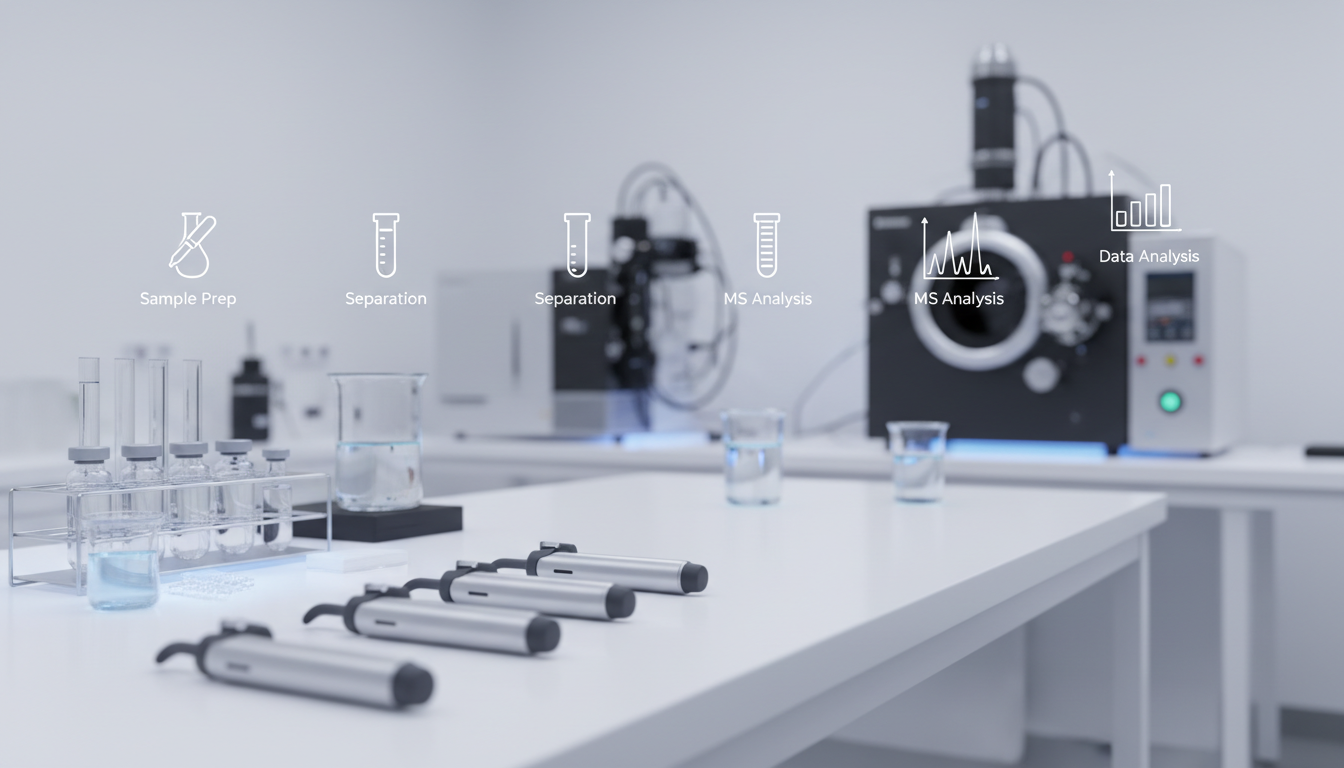
Proteomics is often perceived as a complex, high-tech field accessible only to large centers. In reality, the logic of the process is quite clear: it is based on sequential work with the sample, the analytical equipment and the data. If each stage is organized correctly, the laboratory obtains a reproducible and useful result.
Stage 1. Sample Preparation
This is the most important stage. Errors made during preparation are almost impossible to correct later. Proteins are sensitive to storage conditions, contamination, temperature and time. That is why the following must be controlled right from the start:
This stage requires not only reagents but also basic equipment: pipettes, tips, centrifuges, tubes, refrigeration equipment, freezers and a well-organized workstation.
- the sampling method;
- storage conditions;
- preparation of the material for analysis;
- removal of interfering substances, for example with laboratory filtration systems;
- protein stabilization.
Stage 2. Separation and Fractionation
Once the sample has been prepared, the laboratory must separate the complex mixture of proteins or peptides. In practice, chromatographic methods are often used, for example on FPLC chromatography systems or a laboratory chromatograph, while gel-based separations are recorded with gel documentation systems. The main goal is to reduce the complexity of the mixture and prepare the material for subsequent detection.
Stage 3. Identification and Quantification
Next, mass spectrometry comes into play, often coupled with liquid chromatography, using a mass spectrometer. This is where the laboratory obtains information about proteins and peptides, their quantities and a number of structural features.
Stage 4. Data Processing
Proteomics does not end at the instrument. After the analytical part comes data interpretation: database matching, statistics, validation of results and assessment of biological meaning.
What a Laboratory Needs for a Stable Workflow
To keep the proteomic process from depending on chance, the following usually need to be in place:
KombiMED helps laboratories select and procure equipment and consumables for analytical and molecular projects, including organizing deliveries and documentation.
- standardized SOPs;
- high-quality consumables;
- a well-designed storage system;
- reliable analytical equipment;
- service support;
- staff training;
- quality control at every stage.
Related articles
Planning a purchase in this area?
Tell us what your laboratory needs and we will send you a tailored offer.
Contact KombiMED