
How to Choose Laboratory Equipment
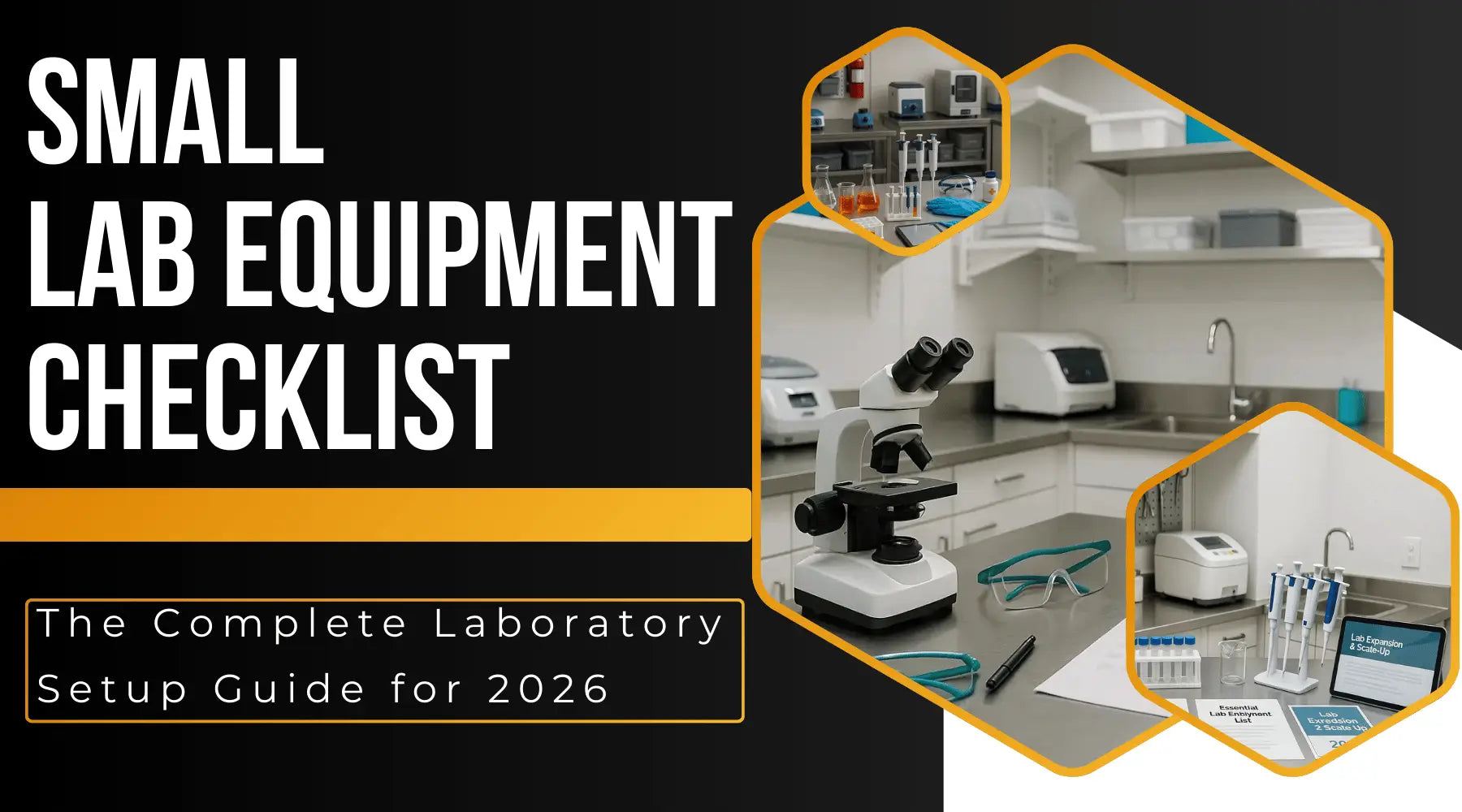
Laboratories perform complex analyses and studies that are impossible without modern multifunctional equipment. The type of equipment, how it is installed and the overall setup of the laboratory affect how comfortable the work is for staff, what throughput can be achieved and how reliable the test results will be. To understand how to choose laboratory equipment, you need to know its types and purposes. You should also take the specifics of your facility into account.
Types of Laboratory Equipment
By type, all equipment is usually divided into two groups: pre-analytical (used to prepare and store materials) and analytical (used to perform the actual tests). Items in the first group are not particularly durable and often break or get damaged (holders, shakers, containers, boxes and so on). So when choosing them, you can focus on whether the item fits its intended function; there is no need to buy the most expensive products. Equipment in the second group must be durable, last more than 10 years, come with a warranty and handle a large, constant workload without failures or overload.
How you select laboratory equipment depends on how much money the manager is prepared to invest in equipping the lab. The budget plays an important role, especially when choosing analyzers, which cost tens or hundreds of thousands. It is better to allocate most of the funds to analytical equipment and save on pre-analytical items (balances, centrifuges, shakers).
Why Choosing the Right Laboratory Equipment Matters
Workflow continuity and compatibility of the equipment with labware are extremely important. That is why equipment selection should begin before the laboratory is commissioned. Many managers make the mistake of buying instruments gradually. As a result, chemistry tubes do not fit in the centrifuge and Eppendorf tubes fall out of the new shaker. To avoid this, all factors need to be considered at once.
What to Consider:
Workload. With 10–20 patients a day, there is no point in buying multifunctional automated analyzers. If the patient flow is large (from 50 people a day), it makes more sense to install instruments with more compartments and holders so that they do not have to be run repeatedly.
Workflow continuity. Ideally, buy equipment in which each instrument picks up where the previous one left off without extra steps: drawing blood into tubes, placing them in a rack, moving the rack into the analyzer, displaying results on the monitor and printing the data.
Energy consumption. To choose the right equipment for a laboratory, evaluate its energy consumption and productivity. If an instrument runs constantly but produces few results, high energy use is an unnecessary expense. It is better to invest in more expensive equipment that will save electricity for decades.
Selecting equipment for a medical center or private laboratory is a complex process that must not be neglected. The profitability of the facility and the quality of the tests depend on it, and consequently so does the center's reputation.
Laboratory Design
You can entrust your laboratory design to our team. KombiMED is a reliable supplier of high-quality European equipment at flexible prices. Contact us: we will analyze the needs of your medical center, select equipment that fits your space and budget, optimize costs and offer the best solutions for you.
Related articles
Technical Process
Technical Process
Technical Process
Planning a purchase in this area?
Tell us what your laboratory needs and we will send you a tailored offer.
Contact KombiMED