
8-OHdG and DNA Damage Markers in Anti-Aging Medicine
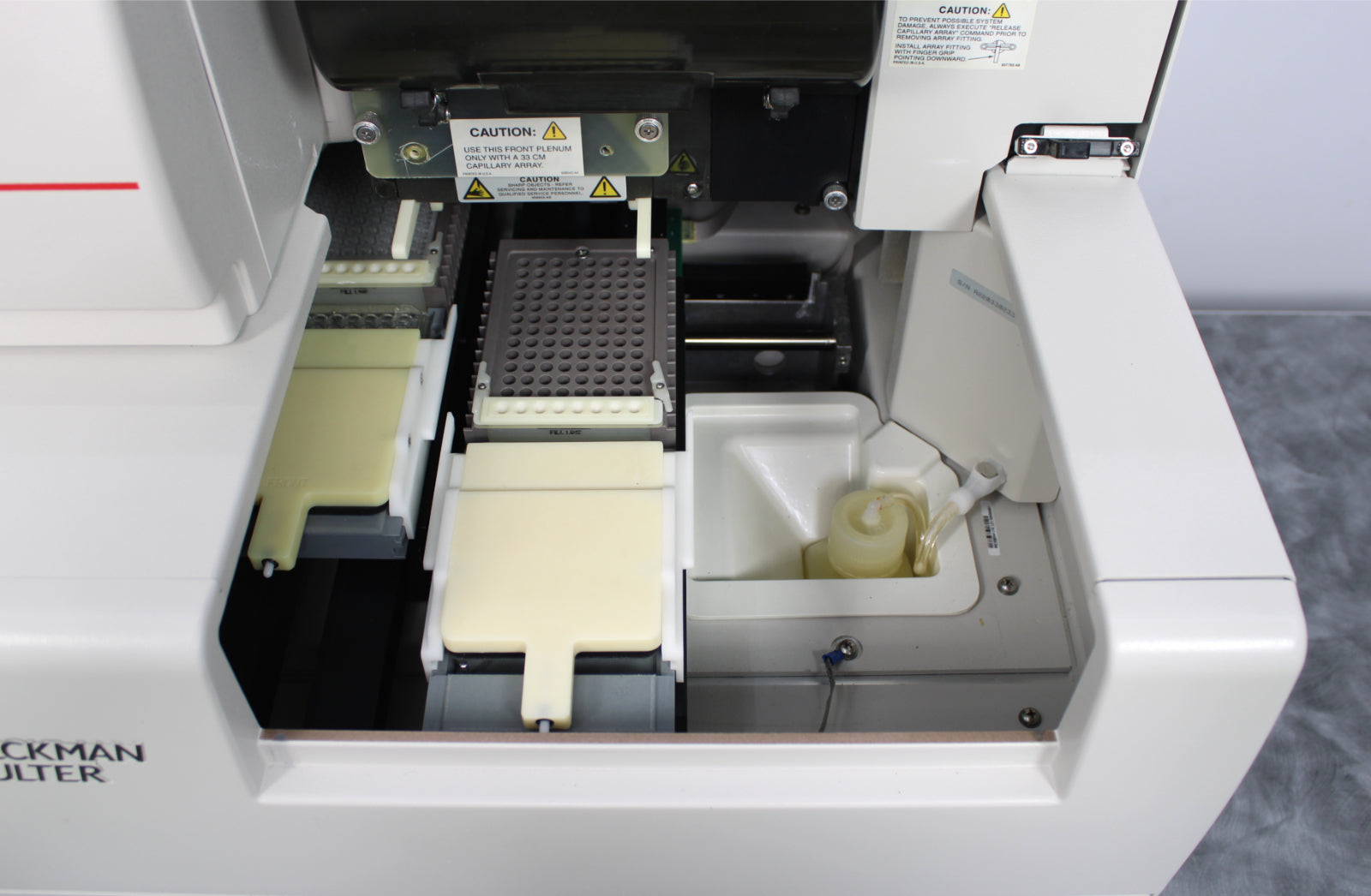
8-OHdG and DNA Damage Markers: Laboratory Equipment for Assessing Oxidative Stress
Oxidative DNA damage is one of the fundamental mechanisms of cellular aging. Among the many nucleotide modifications caused by reactive oxygen species, 8-hydroxy-2'-deoxyguanosine (8-OHdG) holds a special place: it is the most thoroughly studied and validated biomarker of oxidative DNA damage and was recommended by the European Standards Committee on Oxidative DNA Damage as part of the ESCODD project.
Urinary and plasma 8-OHdG levels correlate significantly with the intensity of systemic oxidative stress, biological age and the risk of cancer, cardiovascular and neurodegenerative diseases. For an anti-aging laboratory, 8-OHdG monitoring is a core component of evaluating the effectiveness of antioxidant interventions.
Biochemistry and Clinical Significance of 8-OHdG
8-OHdG (also referred to as 8-oxo-dG) is formed when hydroxyl radicals attack the guanine bases of DNA. It is one of more than 20 forms of oxidative DNA modification, but 8-OHdG has become the reference marker for several reasons:
- Mutagenicity: 8-OHdG causes G→T transversions during replication, which is directly linked to carcinogenesis.
- Stability: after excision repair, 8-OHdG is excreted in urine without further metabolism, which simplifies quantification.
- Correlation with age: urinary 8-OHdG levels rise linearly with age, reflecting the cumulative build-up of oxidative damage.
- Response to therapy: a decrease in 8-OHdG after antioxidant interventions has been documented in numerous clinical studies.
Methods for Measuring 8-OHdG
A modern laboratory can choose from several analytical approaches, each with its own sensitivity/throughput/cost profile:
| Method | Limit of detection | Throughput | Advantages | Limitations |
|---|---|---|---|---|
| HPLC-ECD | 0.1 ng/mL | Medium (30–50/day) | High sensitivity, well validated | Requires clean sample preparation |
| LC-MS/MS | 0.05 ng/mL | High (100+/day) | Maximum specificity, multiplexing | High equipment cost |
| ELISA | 0.5 ng/mL | High (90+/plate) | Simplicity, accessibility | Cross-reactivity |
| Electrochemical biosensors | 1–10 ng/mL | Low (POC) | Portability, rapid results | Limited accuracy |
Additional DNA Damage Markers
For an extended assessment of genotoxic stress, it is recommended to complement 8-OHdG with the following markers:
- γ-H2AX: a phosphorylated histone and marker of DNA double-strand breaks. It is measured by immunofluorescence or flow cytometry and is highly sensitive to genotoxic exposure.
- 8-oxoguanine (8-oxoG): an oxidized base within DNA (before excision). It is measured with a modified comet assay using the FPG enzyme.
- DNA adducts: propanodeoxyguanosine (PdG) and etheno adducts are markers of alkylating damage associated with lipid peroxidation.
- OGG1 activity: the activity of the enzyme 8-oxoguanine DNA glycosylase reflects the cell's repair capacity.
Laboratory Equipment
Recommended equipment set for measuring 8-OHdG and related DNA damage markers:
- HPLC system with ECD: Agilent 1290 Infinity II + electrochemical detector (ESA CoulArray, Antec DECADE Elite). A classic approach with proven validity.
- LC-MS/MS: a triple quadrupole (Shimadzu LCMS-8060NX, Waters Xevo TQ-XS) for multiplexed measurement of 8-OHdG, 8-oxoG and DNA adducts.
- ELISA reader: a microplate spectrophotometer (Tecan Infinite, BioTek Epoch) with a plate washer for batch analyses.
- Flow cytometer: for γ-H2AX analysis. The BD FACSCanto II and Beckman Coulter CytoFLEX are optimal models for a clinical laboratory.
- Fluorescence microscope: for visualizing the comet assay and immunofluorescent detection of γ-H2AX in fixed cells.
- DNA extraction system: automated (QIAGEN QIAsymphony, Promega Maxwell RSC) for standardized DNA isolation.
Pre-Analytics and Quality Control
Measuring 8-OHdG requires strict adherence to pre-analytical protocols. Artifactual oxidation of DNA during extraction can inflate results by a factor of 2–10. Key precautions:
- Use of a metal chelator (deferoxamine) during DNA extraction to prevent the Fenton reaction.
- Working at reduced temperature and under an argon atmosphere.
- For urinary 8-OHdG: collection of the first morning sample, normalization to creatinine, storage at -80 °C.
- Participation in external quality assessment programs (ESCODD, JaCVAM).
KombiMED: Complete Equipment for Assessing DNA Damage
KombiMED GmbH supplies equipment for laboratories that specialize in assessing oxidative DNA damage, from HPLC systems with electrochemical detectors to flow cytometers for γ-H2AX analysis. We will select the optimal configuration based on your test volumes and budget. Combining it with an LC-MS/MS oxidative stress panel provides a complete picture of oxidative damage. Contact KombiMED for a consultation.
Related articles
Planning a purchase in this area?
Tell us what your laboratory needs and we will send you a tailored offer.
Contact KombiMED