
Mass Spectrometry: How It Works
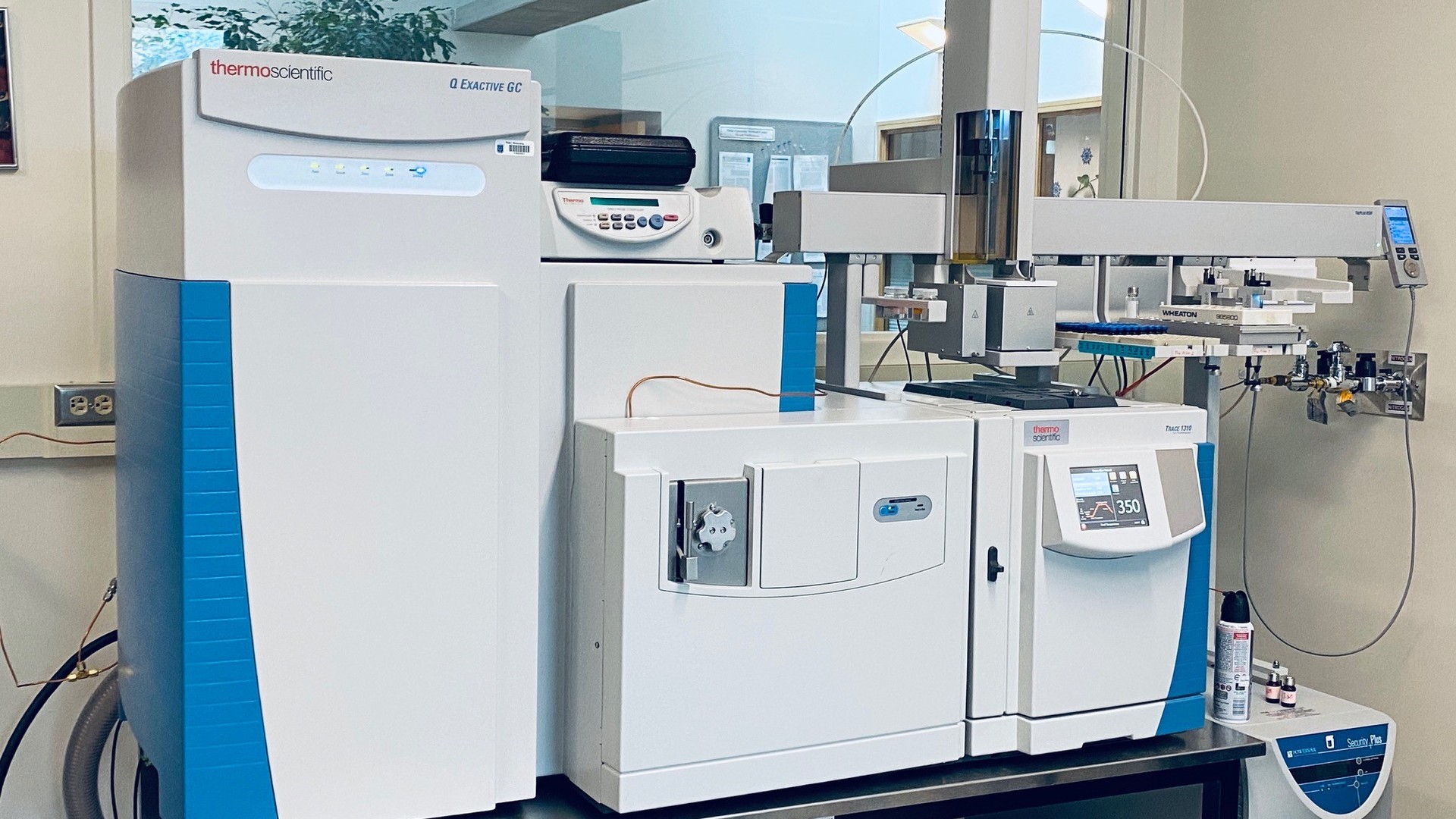
Mass spectrometry is used in many fields and industries. It makes it possible to determine the concentration of different components in a substance. Analysis on a mass spectrometer is complex and requires special knowledge, skills and concentration from the operator. In return, the results are highly informative and show exactly which component is present in the sample under study and in what quantity.
Mass Spectrometry: Definition and Description
This method of studying substances was discovered in 1912. Mass spectrometry is based on the different mass-to-charge ratios of ions. Ionization and "weighing" make it possible to distinguish the constituents of a substance precisely.
Mass spectrometry also relies on the fact that ions respond differently to the ionization method, depending on the size of the molecules and the type of substance under study (organic or inorganic). Once all the ions have been formed, they are transferred to the analyzer, where they are sorted and separated according to their mass-to-charge ratio. The detector of the mass spectrometer then captures all the values and transfers them to a recording medium (film, computer, removable storage, etc.).
When choosing equipment for production, it is not necessary to understand how mass spectrometry works or how complex the processes inside the analyzers are. It is enough to know which substances you will be working with on a regular basis and to choose a mass spectrometer accordingly. The specifications and descriptions of the instruments make it easy to see whether the equipment is suitable for the intended application.
Applications of Mass Spectrometry
There is no branch of science or industry where mass spectrometry is not used. The method provides accurate information about the quantitative and qualitative composition of a substance, which makes it possible to conclude whether it meets standards and requirements. Where mass spectrometry is used:
Medicine: doping detection in athletes.
Pharmaceuticals: development of new drugs and testing of manufactured products for compliance with quality standards.
Nuclear power: searching for new fuel sources and purifying isotopes for subsequent use.
Agriculture: detecting pesticides and other synthetic components harmful to the human body.
Combating drug trafficking: identifying the type of drug and its country of origin to establish where it was produced.
Oil refining: simplifying oil extraction and searching for new deposits.
There is no industry where this type of analysis would not be useful. What problems does mass spectrometry solve? It is used to analyze various substances to confirm that they are fit for sale or use, as well as to search for new sources of raw materials.
The advantages of mass spectrometry are the high information content and accuracy of the analysis. You can reliably determine how pure a substance is and the percentage content of its various components. The disadvantages of mass spectrometry are the complexity of the analysis and its often long duration (rare tests take up to 2 hours, the rest 6–24 hours). The high cost of analysis also plays a role when choosing and installing the equipment. The testing has to pay for itself, which is why mass spectrometers are far from standard in every laboratory, research center and production facility.
Mass Spectrometry: Types of Analysis and Instruments
Ions can be generated in several ways. This is the basis for the differences between mass analyzers
Two Main Groups of Mass Analyzers
Pulsed: ion trap, Orbitrap, time-of-flight, quadrupole linear ion trap, Fourier transform ion cyclotron resonance analyzer.
Continuous: magnetic sector, electrostatic, quadrupole.
Analyzers in the first category deliver the charge in pulses, step by step, while instruments in the second group work with a continuous stream. Both types of instruments allow ionization and separation of a substance into its components. Which one to use depends on whether you will be working with an organic or inorganic sample and on its physical state.
If you find it difficult to understand how mass spectrometry works and to choose the right equipment, contact us. KombiMED is your trusted partner in Europe and a reliable equipment supplier. We offer mass spectrometers from European manufacturers and will select an analyzer that best matches the customer's needs within the set budget. Our team also offers:
- analysis of the needs of a laboratory or company
Import of Medical Equipment to Kazakhstan and Beyond
turnkey laboratory setup.
Our team is ready to help you choose, purchase and transport a mass spectrometer. We verify certification, quality and product warranties, and we handle logistics and customs clearance. If needed, we can install the new equipment and train your staff to work with a European mass spectrometer. Contact us for a consultation on meeting your needs.
- import of medical equipment to Kazakhstan, Tajikistan, Moldova, Ukraine, Georgia and other countries
- business consulting
- cost optimization
- centralized procurement of consumables, reagents, furniture and equipment
Related articles
Technical Process
Technical Process
Technical Process
Planning a purchase in this area?
Tell us what your laboratory needs and we will send you a tailored offer.
Contact KombiMED