
Metabolomics vs. Proteomics: What Is the Difference?
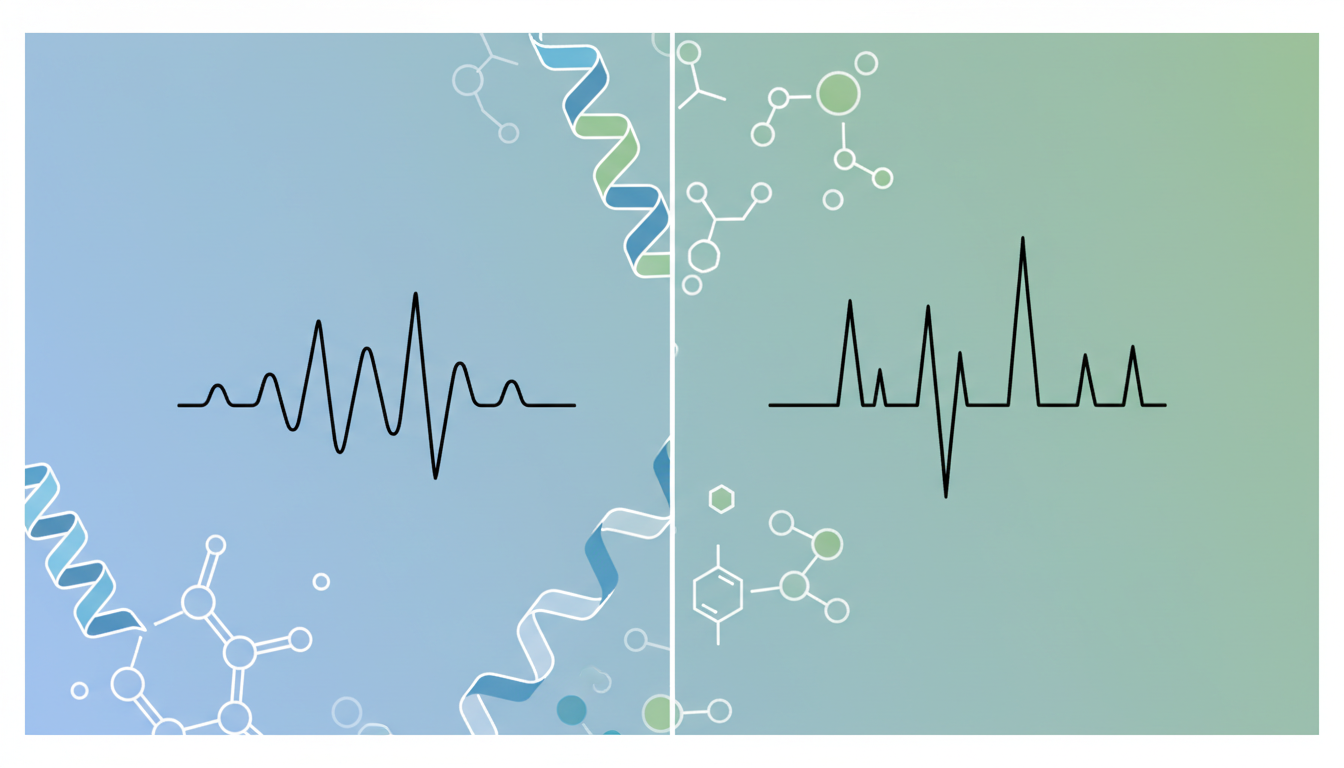
When a laboratory plans to develop omics capabilities, a question quickly arises: is it better to start with proteomics or with metabolomics? Both approaches are important, but they address different tasks.
What Proteomics Shows
Proteomics studies proteins and helps to understand:
- which proteins are present in the sample;
- in what quantities they are detected;
- how the protein profile changes;
- whether there are protein modifications;
- which mechanisms may be associated with a disease.
What Metabolomics Shows
Metabolomics works with metabolites: small molecules that reflect the net activity of biological processes. It provides a rapid "functional fingerprint" of the state of the system.
When It Makes More Sense to Start with Metabolomics
Metabolomics is often the convenient choice when it is important to see rapid functional changes: evaluating the effect of therapy, toxicology, metabolic disorders, group comparisons.
When Proteomics Is Stronger
Proteomics is usually chosen when the goal is to gain a deeper understanding of mechanisms, protein networks and interactions, and to work with biomarkers at the protein level.
Why Many Laboratories Arrive at a Combined Approach
The combination provides a more complete picture. But it requires consistent sample preparation, a reliable supply of consumables, service and competent bioinformatics.
KombiMED helps laboratories organize supplies and equipment around their real tasks, so that the new area develops smoothly without interruptions caused by consumables or organizational issues.
Related articles
Planning a purchase in this area?
Tell us what your laboratory needs and we will send you a tailored offer.
Contact KombiMED