
Transcriptomics: What It Studies and Which Problems It Solves
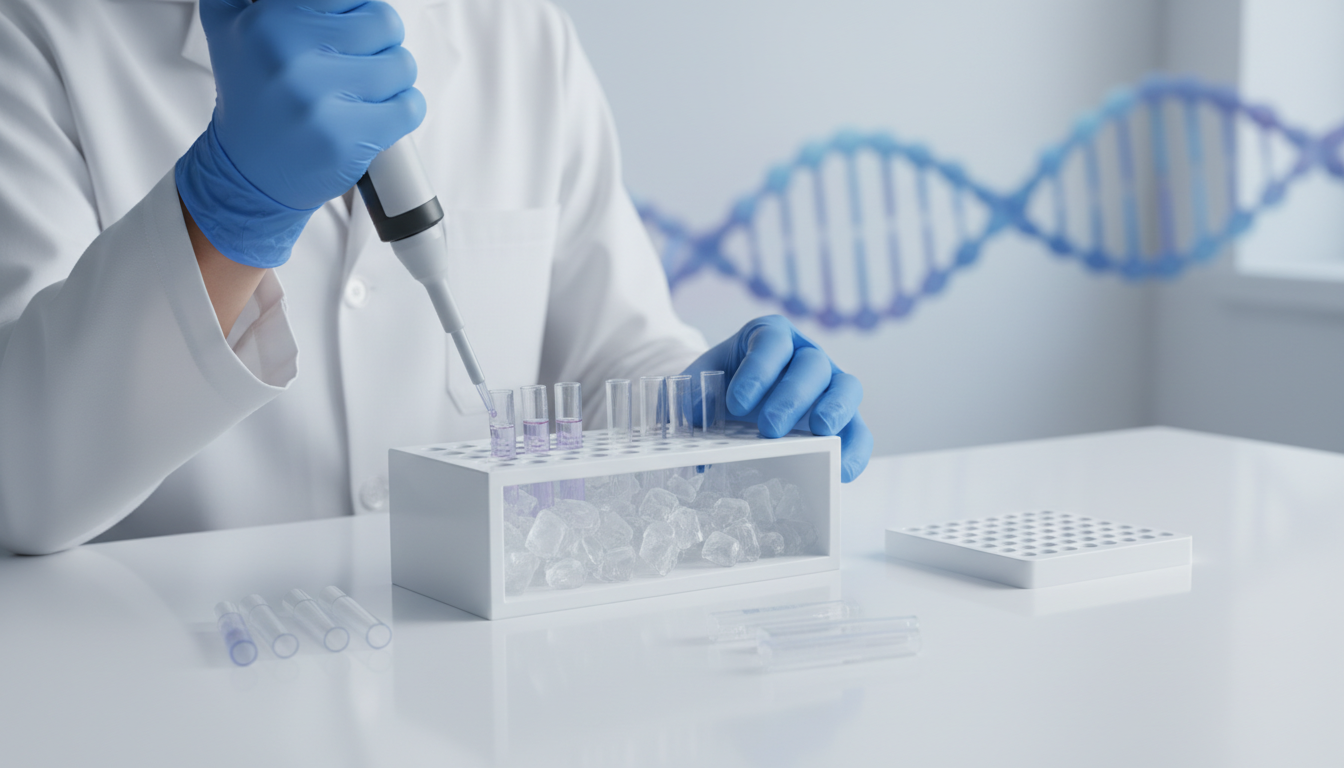
Transcriptomics is a field that studies RNA transcripts, which reflect gene activity in a cell or tissue. Put simply, transcriptomics helps show which genes are switched on, how actively they work and how this state changes with disease, treatment or exposure to external factors.
Where Transcriptomics Is Used
It is used for:
- studying disease mechanisms;
- comparing normal and pathological tissues;
- patient stratification;
- assessing treatment response;
- research on immune and inflammatory processes;
- pharmaceutical and biotechnology projects.
Why Transcriptomics Does Not Replace Other Omics
A change in RNA levels does not always mean the same change at the protein level. There are additional layers of regulation between RNA and protein. That is why transcriptomics is often used together with proteomics and bioinformatics.
What Matters for Result Quality
Working with RNA requires discipline:
- sample collection quality;
- speed of sample stabilization;
- storage conditions;
- clean sample preparation;
- degradation control;
- correct data normalization.
What the Laboratory Needs
Depending on the platform, a laboratory typically needs basic sample preparation equipment, cold and frozen storage, centrifuges, consumables for extraction and purification, laboratory furniture and properly organized clean zones.
KombiMED helps laboratories select equipment and consumables for molecular applications and supports deliveries from Europe, taking into account the regular procurement of consumables.
Related articles
Planning a purchase in this area?
Tell us what your laboratory needs and we will send you a tailored offer.
Contact KombiMED