
How to Read an Allergy Chip (ISAC)
What Is the ImmunoCAP ISAC Allergy Chip?
The ImmunoCAP ISAC (Immuno Solid-phase Allergen Chip) allergy chip is a modern molecular allergy diagnostics method that simultaneously measures specific IgE antibodies to 112 allergen components from 51 allergen sources in a single test.
Unlike skin tests and standard assays, which detect the response to an allergen as a whole, the allergy chip measures IgE to individual allergen molecules (proteins). This provides a detailed molecular profile of the patient's sensitization.
How the Allergy Chip Works
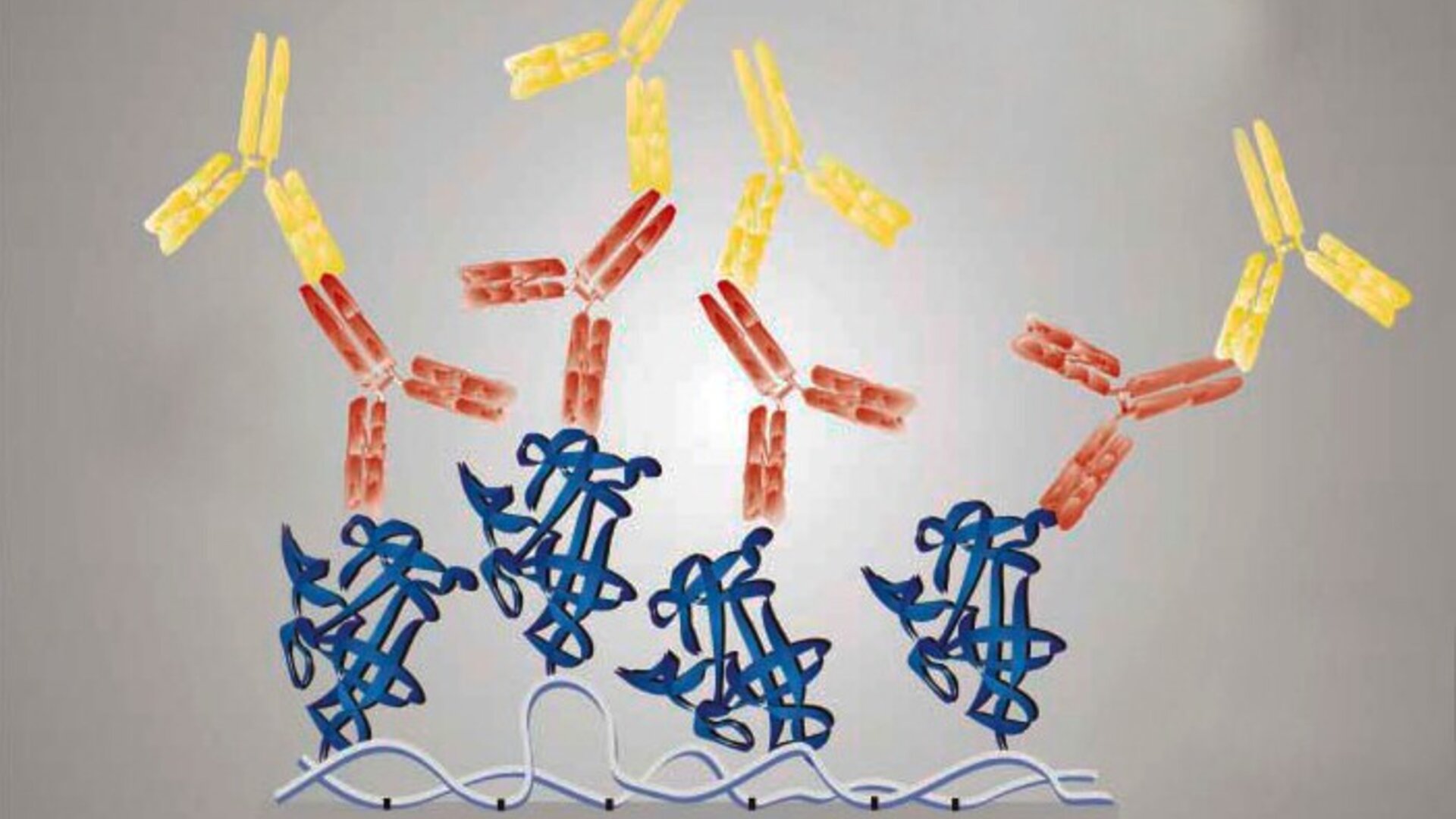
ImmunoCAP ISAC technology is based on multiplex analysis using a microchip:
- Immobilization of allergen components: purified native and recombinant allergen molecules are fixed to the biochip surface;
- Sample application: the test requires only about 30 µL of serum or plasma;
- Antibody binding: the patient's specific IgE antibodies bind to the corresponding allergen components;
- Fluorescence detection: bound antibodies are detected with fluorescently labeled anti-IgE antibodies;
- Triplicate measurement: each component is spotted on the chip in triplicate, which increases the accuracy of results;
- Scanning and data analysis: results are read by a dedicated scanner and processed by software.
A Key Technological Feature
The technology does not require a CCD blocker, which minimizes the influence of cross-reactive carbohydrate determinants (CCDs) on test results.
Major and Minor Allergens
Allergen components are divided into major and minor allergens:
Major allergens cause a reaction in more than 50% of patients sensitized to a given source. Sensitization to a major allergen indicates true allergy to that source;
Minor allergens are often cross-reactive and may indicate cross-sensitization rather than true sensitization.
How to Interpret the Results
ImmunoCAP ISAC results are expressed in ISAC Standardized Units (ISU-E). The level of sensitization is assessed as follows:
- below 0.3 ISU: negative result (no sensitization detected);
- 0.3–0.9 ISU: low level of sensitization;
- 1.0–14.9 ISU: moderate level of sensitization;
- 15 ISU and above: high level of sensitization.
Indications for the Allergy Chip
It is important to remember that the presence of specific IgE indicates sensitization but does not in itself confirm allergic disease. Interpreting an allergy chip is a task for a qualified allergist. ImmunoCAP ISAC testing is particularly informative in the following cases:
- multiple sensitization (polyvalent allergy);
- the need to distinguish true sensitization from cross-sensitization;
- anaphylaxis of unknown cause;
- planning allergen immunotherapy (AIT);
- risk assessment in food allergy;
- inconclusive results from standard diagnostic methods.
Advantages of ImmunoCAP ISAC
The method offers several important advantages:
- comprehensive profile: 112 allergen components in a single test;
- minimal sample volume: only about 30 µL of blood;
- safety: in vitro testing requires no patient contact with the allergen;
- high diagnostic value in complex allergy profiles;
- unaffected by antihistamine use;
- can be performed at any age;
- standardized results in ISU.
Preparing for the Test
No special preparation is required. Blood can be drawn either fasting or after a light meal. Antihistamines do not affect the results, so there is no need to stop taking them before the test.
Limitations of the Method
Despite its high diagnostic value, molecular allergy diagnostics is not a universal test. As a rule, it is not used in the diagnosis of:
- chronic spontaneous urticaria;
- most forms of atopic dermatitis;
- conditions not associated with IgE-mediated allergic mechanisms.
ImmunoCAP ISAC and KombiMED
KombiMED GmbH supplies ImmunoCAP ISAC systems from Thermo Fisher Scientific (Phadia) to allergy laboratories in Central Asia, the Caucasus and Eastern Europe. The company provides equipment and consumables, trains laboratory staff to work with the system, and offers technical support.
Related articles
Allergology
Allergology
Allergology
Planning a purchase in this area?
Tell us what your laboratory needs and we will send you a tailored offer.
Contact KombiMED