
A Multi-Omics Approach to Longevity: Integrating Genomics, Proteomics and Metabolomics
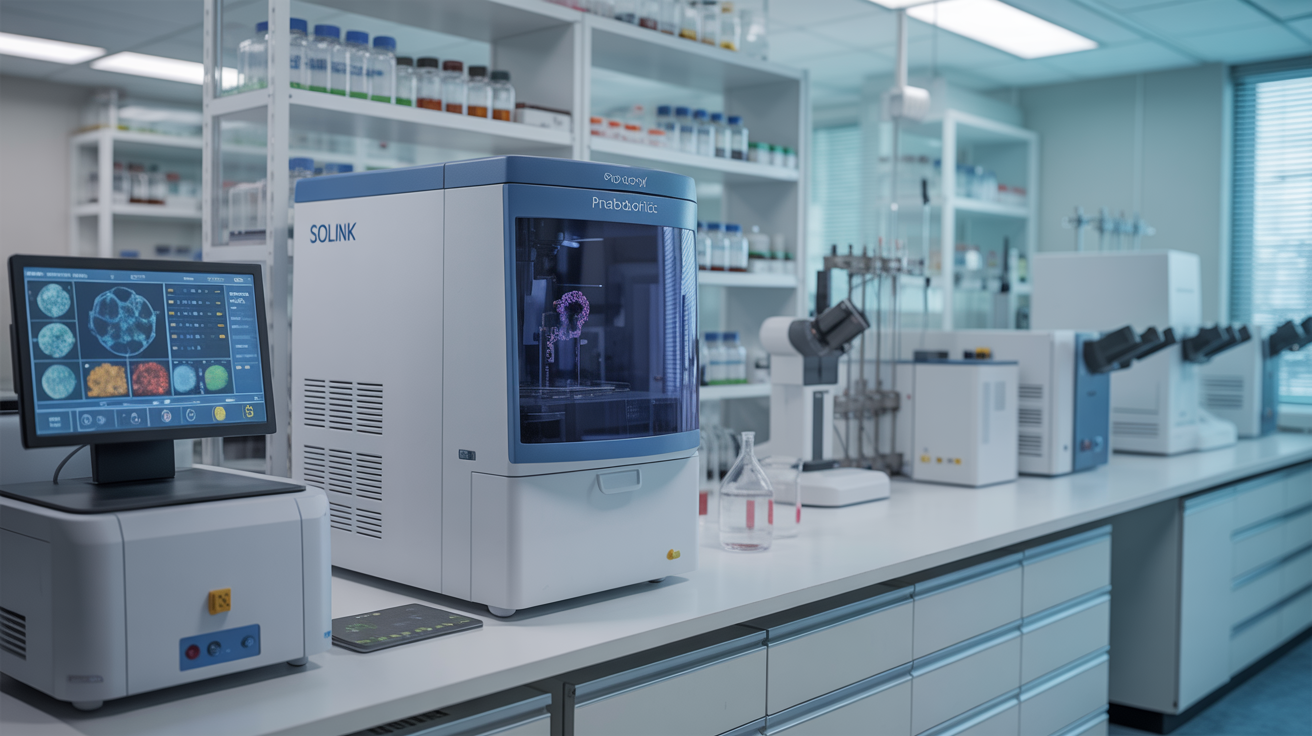
A Multi-Omics Approach to Longevity: Integrating Genomics, Proteomics and Metabolomics
The anti-aging industry is rapidly moving from single biomarkers to comprehensive multi-omics profiling. Where a laboratory once assessed hormones, vitamins and lipids separately, leading longevity clinics today build a "biological aging passport" that combines genomics, epigenomics, proteomics and metabolomics into a single analytical workflow.
According to Grand View Research ↗, the global market for multi-omics solutions will exceed USD 28 billion by 2030, with anti-aging and preventive medicine among the key growth drivers. For a laboratory, this means investing in platforms capable of generating and integrating data from several omics layers.
Four Layers of Multi-Omics Profiling
Genomics and epigenomics: DNA sequencing (WGS/WES) and methylation analysis (Illumina EPIC Array, Nanopore) reveal hereditary risks and biological age. NGS panels assess polymorphisms in FOXO3, APOE, TERT and hundreds of other genes associated with lifespan.
Proteomics: high-throughput SomaScan (SomaLogic) ↗ platforms measure ~7,000 proteins from a single plasma sample, making it possible to build "proteomic clocks" of aging. An alternative is the Olink Explore ↗ system with PEA technology panels, which enables multiplex analysis of up to 5,000 proteins.
Metabolomics: mass spectrometry (LC-MS/MS, GC-MS) and Metabolon ↗ platforms profile thousands of metabolites that reflect the current state of metabolism. Metabolomic signatures of aging include declining NAD+, shifts in amino acid ratios and accumulation of oxidative markers.
Microbiome: 16S rRNA sequencing and metagenomics (Illumina MiSeq, Oxford Nanopore) complete the picture by linking gut microbiota composition to systemic inflammation and the pace of aging.
Platforms for a Multi-Omics Laboratory
Building a multi-omics anti-aging laboratory requires investment in several classes of equipment. The key platforms and their role in integrated analysis are shown below.
| Omics layer | Platform / Instrument | Key capabilities | Anti-aging application |
|---|---|---|---|
| Genomics | Illumina NovaSeq X Plus | WGS/WES, up to 20,000 genomes/year | Whole-genome profiling of longevity risks |
| Epigenomics | Illumina EPIC v2 Array | 935,000 CpG sites | Calculation of Horvath and GrimAge epigenetic clocks |
| Proteomics | SomaScan 11K / Olink Explore | 7,000–11,000 proteins | Proteomic clocks, inflammation markers |
| Metabolomics | SCIEX TripleTOF 6600+ | Untargeted metabolomic screening | Metabolomic signatures of aging |
| Metabolomics | Waters Xevo TQ-XS | Targeted quantification | NAD+, amino acids, oxysterols |
| Microbiome | Illumina MiSeq / Oxford Nanopore | 16S, metagenomics | Link between microbiota and systemic inflammation |
Bioinformatics and AI: From Data to Predictive Models
A multi-omics approach generates terabytes of data that cannot be interpreted without bioinformatics tools. Machine learning (random forests, gradient boosting, neural networks) builds predictive models of biological age by combining data from all omics layers.
According to research by Lehallier et al., Nature Medicine, 2019 ↗, proteomic clocks based on ~3,000 proteins predict chronological age with an MAE of < 3 years, and deviations from the prediction correlate with health status and mortality risk.
For a laboratory, this means investing not only in analytical equipment but also in computing infrastructure: GPU servers for ML models, data storage and specialized software for integrating omics data.
LIMS and Managing Multi-Omics Workflows
Integrating data from multiple platforms requires a modern LIMS (Laboratory Information Management System) that supports multi-omics workflows. Key requirements:
Single sample ID: from patient registration to the final report, all data are linked to one ID. Automatic import of results from NGS sequencers, mass spectrometers and immunoanalyzers. Bioinformatics pipeline: integration with R/Python scripts to calculate omics indices. Report generation: creation of a personalized "aging passport" with data visualization.
Systems such as STARLIMS ↗ and LabVantage ↗ offer modules for multi-omics laboratories, but adapting them to the specifics of anti-aging work requires customization, which integrators such as KombiMED can help with.
How to Build a Multi-Omics Anti-Aging Laboratory
Planning a multi-omics laboratory involves several stages:
Stage 1: Baseline level. A clinical chemistry analyzer + LC-MS/MS for hormones and metabolites + qPCR. This makes it possible to launch extended anti-aging panels from the outset.
Stage 2: Genomics and epigenomics. Adding an NGS sequencer (Illumina MiSeq or NextSeq) and a methylation system (EPIC Array). Expanded analytics: polygenic risk scores, epigenetic clocks.
Stage 3: Deep proteomics and metabolomics. Introducing high-throughput proteomic platforms (SomaScan, Olink) and untargeted metabolomics (HRMS). A complete multi-omics profile.
Stage 4: AI and integration. Deploying bioinformatics infrastructure, training ML models on in-house data, and automating reporting.
At every stage, KombiMED provides equipment selection from its laboratory equipment catalog, method validation and service support, helping the laboratory grow from a basic anti-aging profile to a full-scale multi-omics longevity center.
The Economics of a Multi-Omics Approach
Investment in a multi-omics laboratory is substantial, but ROI is supported by premium pricing: a comprehensive "aging passport" with multi-omics profiling costs USD 3,000 to 10,000 at leading longevity clinics, while basic anti-aging panels cost USD 500–1,500.
Key payback factors are a high average ticket, repeat visits (monitoring every 6–12 months) and attracting premium-segment patients. According to McKinsey & Company ↗ estimates, the longevity market will reach USD 600 billion by 2030, and laboratories with multi-omics capabilities will take leading positions in it.
The KombiMED omics solutions team helps calculate the optimal equipment configuration based on the planned patient flow, balancing analytical capabilities with cost-effectiveness.
Conclusion
A multi-omics approach is transforming anti-aging medicine from a set of separate tests into an integrated system for assessing biological aging. Combining genomics, epigenomics, proteomics and metabolomics makes it possible to create a personalized "aging passport", the foundation for precise interventions and for monitoring their effectiveness.
For laboratories seeking to enter the longevity market, the key challenge is not only acquiring equipment but also data integration, bioinformatics and automation. KombiMED acts as a partner at every stage, from laboratory design to the supply and servicing of analytical platforms.
Related articles
Planning a purchase in this area?
Tell us what your laboratory needs and we will send you a tailored offer.
Contact KombiMED