Before a laboratory is built, someone has to approve the budget. The investment memorandum is the document for that meeting: equipment, costs, space, risks and timeline in one place, derived from your answers rather than from a catalogue. It takes about 30 minutes and needs no registration.

Clinical diagnostics, food safety, pharmaceutical QC, oil & gas, chemical or forensic.
10 to 15 sections: goals, test menu, volumes, workflow, budget, regulatory context, premises.
Instruments are scored per category. Keep, drop or change quantities — the list is yours to edit.
A 14-section PDF, ready to put in front of a board or an investor.
A forensic laboratory and a food-safety laboratory share almost nothing, so the questions differ by segment:
| Clinical diagnostics | 10 sections · 38 questions — test menu across haematology, chemistry, immunoassay and coagulation; automation; LIMS; workflow |
|---|---|
| Food safety | 15 sections · 52 questions — GOST/EAEU versus ISO, microbiology, toxicology, water analysis, media preparation |
| Pharmaceutical QC | 10 sections · 38 questions — GMP/GLP, dissolution, stability, pharmacopoeia standards, clean room |
| Oil & gas | 10 sections · 42 questions — upstream and downstream, ASTM methods, flash point, viscosity, elemental analysis |
| Chemical | 10 sections · 44 questions — process QC, R&D, environmental, chromatography, spectrometry |
| Forensic | 10 sections · 39 questions — DNA, toxicology, trace evidence, chain of custody, court testimony |
Every recommendation comes from the same four factors, weighted as follows. The highest score per category becomes the primary recommendation; the next ones are listed as alternatives, so the choice stays with you.
Capacity against your declared sample volume. The closest fit scores highest — not the biggest machine.
Matches your preference from manual to fully automated, within budget.
Newer models score higher — current technology and longer service availability.
Manufacturers with an established global service network score slightly higher.
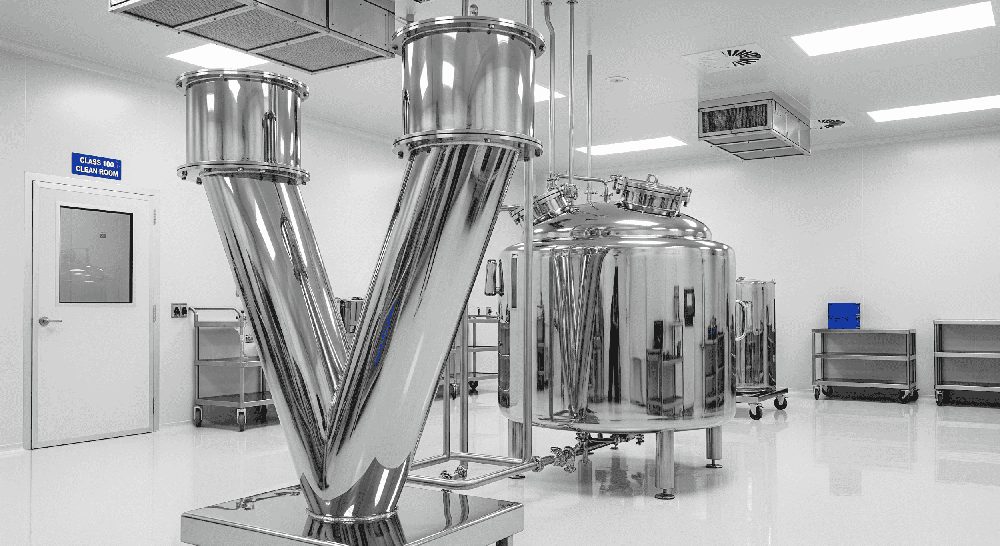
Clean-room needs are part of every memorandum, from basic laboratory ventilation to ISO 5 classified space — air-change rates, particle monitoring and gowning included. Your answers stay confidential.
The memorandum is a starting point for a decision, not a purchase order. When the budget is approved, the same equipment list goes into procurement — with certification, delivery, installation and training under one contract.
About 30 minutes, no registration.
Find the environment level the work actually requires.
The instruments behind the recommendations.
Each logo opens the manufacturer’s own site in a new tab.