
Data Management and Reporting in Laboratory Diagnostics
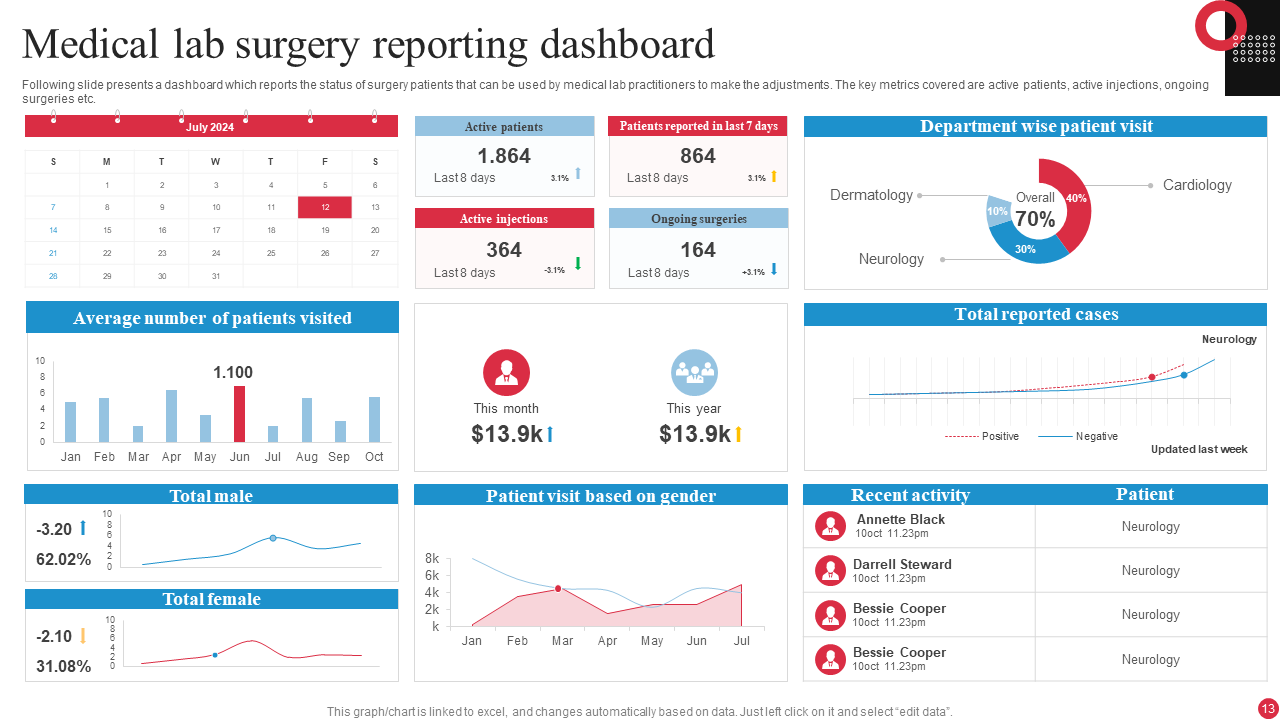
Data is a strategic asset of the modern laboratory. Data management software provides structured storage, analysis, visualization and reporting, from operational statistics to scientific research and regulatory reports. KombiMED implements laboratory data management systems that support evidence-based decision-making.
The Role of Data Management in the Modern Laboratory
Laboratory diagnostics and pathology generate enormous volumes of data: test results, WSI images, molecular data, QC records and administrative information. Without systematic management, this data remains fragmented, unavailable for analysis and vulnerable to loss.
Effective data management addresses three objectives:
- Operational efficiency: real-time monitoring of laboratory performance
- Clinical quality: tracking diagnostic trends and quality indicators
- Strategic planning: justifying investments, staffing decisions and development
Key Components of a Data Management System
Data Warehouse
A centralized warehouse aggregates data from many sources: LIMS, digital pathology, PACS, the hospital information system (HIS) and QC systems. A structured data model provides:
- Fast analytical queries without loading operational systems
- Historical depth, with years of data available for trend analysis
- Normalization, with unified reference lists of diagnoses, procedures and analytes
Business Intelligence Tools
BI platforms visualize laboratory data as interactive dashboards:
- Operational dashboards: TAT, equipment utilization, queues, pending cases
- Clinical dashboards: distribution of diagnoses, correlation with clinical data
- Financial dashboards: cost per test, reagent consumption, revenue by testing area
- QC dashboards: control charts, sigma metrics, EQA results
Report Generator
Automatic generation of scheduled and ad hoc reports:
- Monthly operational reports for management
- Reports for accreditation bodies (ISO 15189, CAP)
- Epidemiological reports for health authorities
- Scientific reports for clinical trials
Big Data and Analytics in Pathology
Big Data Analysis
Modern platforms process not only structured laboratory data but also:
- WSI images: aggregated analysis of thousands of slides to identify patterns
- Molecular data: integration of NGS, PCR and FISH results with morphological data
- Clinical data: correlation of pathology reports with treatment outcomes
- Biochemical data: multi-omics analysis (genomics, transcriptomics, proteomics)
Digital Biomarkers
AI platforms analyze large WSI datasets to detect digital biomarkers: morphological patterns that correlate with molecular status, prognosis or response to therapy. This new field (computational pathology) brings together big data, AI and clinical pathology.
Predictive Analytics
Machine learning algorithms trained on laboratory data predict:
- The probability of malignancy based on a combination of markers
- Expected response to targeted therapy
- Risk of recurrence based on combined data
- Optimal timing of follow-up examinations
- Demand for reagents and consumables based on seasonal patterns
Generative Pathology AI
The newest field is generative AI in pathology: creating synthetic data to train models, augmenting rare diagnostic patterns and generating virtual stains (virtual staining), which converts unstained sections into H&E-like images without chemical processing. This field is especially promising for speeding up diagnosis and reducing reagent consumption.
Data Standards and Formats
Structured Data
- HL7 v2 / HL7 FHIR: exchange of laboratory data between systems
- SNOMED CT: standardized terminology for pathology diagnoses
- ICD-O: classification of oncology diagnoses by topography and morphology
- LOINC: standardized codes for laboratory tests
Images
- DICOM: storage and transmission of medical images (including WSI)
- OME-TIFF: an open format for multichannel microscopy images
Security and Privacy
- Pseudonymization and de-identification of data for research
- Role-based access control (RBAC)
- Encryption of data at rest and in transit
- Audit trail of all data operations
- Compliance with GDPR, HIPAA and ISO 27001
Benefits of Systematic Data Management
Laboratory management makes decisions based on actual data rather than intuition.
Analysis of equipment and staff utilization reveals both excess and missing capacity.
Trend analysis of TAT by stage makes it possible to eliminate bottlenecks in a targeted way.
Structured data and digital archives form the basis for retrospective studies and multicenter projects.
Automated reports reduce the workload of preparing for accreditation.
Standardized formats enable data exchange with external systems, registries and research networks.
- Evidence-based decisions
- Resource optimization
- Improved TAT
- Research potential
- Regulatory compliance
- Interoperability
KombiMED Solutions
KombiMED implements comprehensive laboratory data management systems:
Request a consultation: we will design a data management system that turns your laboratory's information into a decision-making tool.
A modern laboratory is more than analyzers and reagents. The data generated during diagnostic work is a strategic asset that, when managed properly, improves the quality of medical care and opens the door to world-class research.
*KombiMED: centralized procurement of medical equipment from Europe. Full-cycle implementation of information systems, from audit to training.*
- Designing the data warehouse architecture
- Setting up ETL processes from LIMS, PACS, IMS and HIS
- Developing analytical dashboards tailored to your institution's needs
- Implementing report generators for regulatory and management purposes
- Ensuring data security and compliance with standards
- Training staff to use the analytical tools
Related articles
AI & Software
AI & Software
AI & Software
Planning a purchase in this area?
Tell us what your laboratory needs and we will send you a tailored offer.
Contact KombiMED