
External Quality Assessment in Molecular Diagnostics
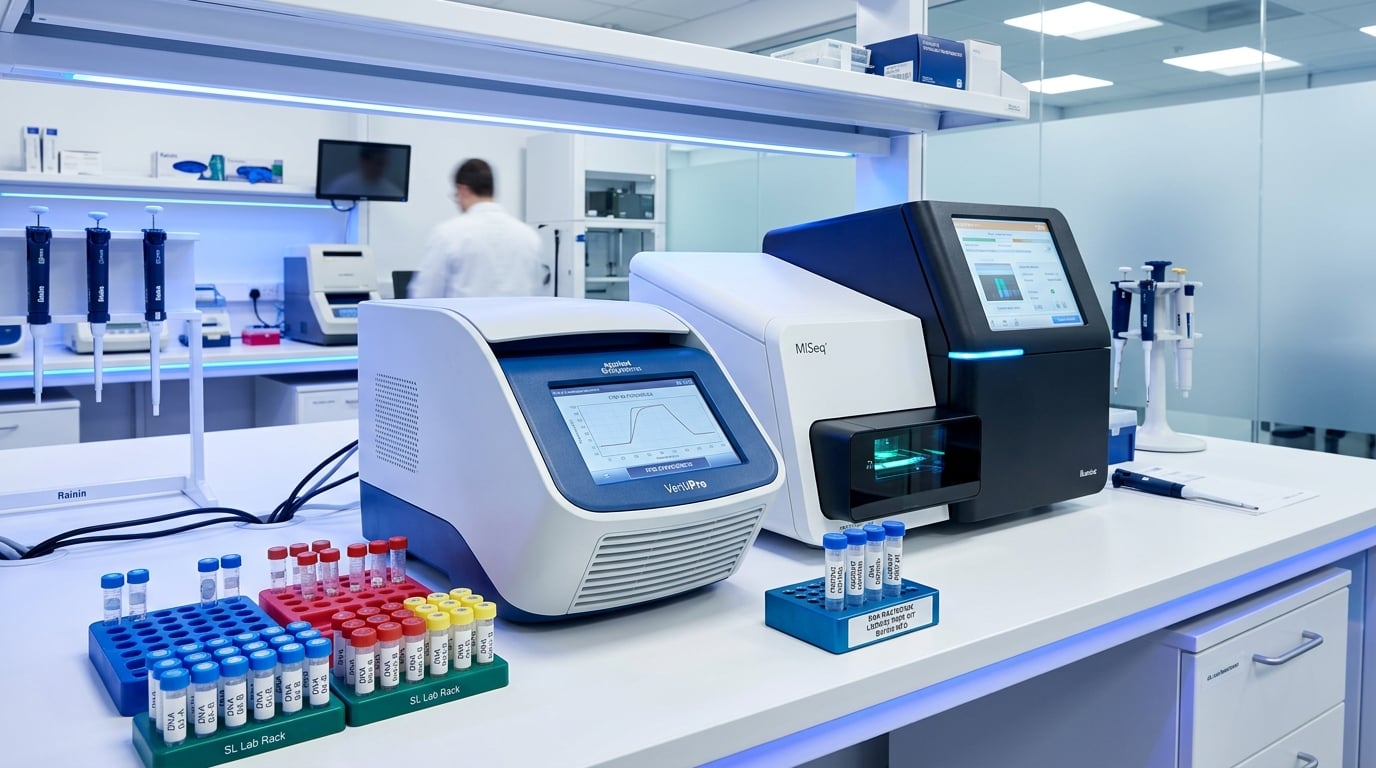
External quality assessment (EQA) in molecular diagnostics is independent verification of the accuracy of PCR, next-generation sequencing (NGS) and genetic test results. Proficiency testing (PT) programs in this field evaluate every stage, from nucleic acid extraction to mutation interpretation. For high-tech laboratories, participation in specialized EQA programs is a prerequisite for accreditation to GOST R ISO 15189-2024.
Why EQA Matters for Molecular Testing
Molecular diagnostics is a rapidly evolving field with high demands on analytical accuracy. A false-negative PCR result can mean a dangerous infection is missed. An incorrect interpretation of an NGS mutation can mean the wrong targeted therapy in oncology.
Factors that make EQA necessary:
- High method sensitivity: even minimal contamination leads to false-positive results
- A wide variety of platforms and protocols: results depend on the extraction system, primer set and thermal cycler
- Complex interpretation, especially for variants of uncertain significance (VUS) in NGS
- Rapidly expanding panels: new targets require validation through external assessment
- Regulatory requirements: ISO 15189, ISO 20186 (pre-analytical processes for molecular testing)
Areas of Molecular Diagnostics Covered by EQA
PCR and qPCR: Infectious Disease Diagnostics
- Respiratory pathogens: SARS-CoV-2, Influenza A/B, RSV, MPOX
- Hepatitis: HBV (viral load), HCV (genotyping and quantitation)
- HIV: HIV-1 RNA, qualitative and quantitative detection
- Urogenital infections: CT/NG (Chlamydia/Neisseria), HPV (genotyping)
- Tuberculosis: MTB/RIF (GeneXpert), detection of rifampicin resistance
- Herpesviruses: CMV, EBV, quantitative monitoring in immunosuppressed patients
NGS: Next-Generation Sequencing
- Cancer genetics: EGFR, KRAS, BRAF, ALK, ROS1 mutations for targeted therapy selection
- Inherited diseases: BRCA1/2, CFTR, cystic fibrosis, inherited thrombophilias
- Hematologic oncology: AML-associated mutations (FLT3, NPM1, IDH1/2)
- Pharmacogenomics: CYP450, DPYD, TPMT polymorphisms
Digital PCR (dPCR)
- High-precision quantitation of viral loads
- Detection of minimal residual disease (MRD)
- Non-invasive prenatal testing (NIPT)
International EQA Programs
| Provider | Program | Frequency | Scope |
|---|---|---|---|
| QCMD | Respiratory Panels | 3–4×/year | SARS-CoV-2, Influenza, RSV, MPOX |
| QCMD | Viral Load (HBV, HCV, HIV) | 2×/year | Quantitation of viral loads |
| QCMD | HPV, CT/NG | 2×/year | Urogenital infections |
| CAP | Molecular ID (MOL) | 2×/year | 16S/18S identification from cultures |
| CAP | Oncology NGS Panels | 2–3×/year | Somatic mutations for targeted therapy |
| INSTAND e.V. | Ringversuch 348, 357 | 2×/year | MTB, CT/NG, HPV, HBV, HCV |
| INSTAND e.V. | Molecular genetics | 2–4×/year | Genetic tests, virology |
| EMQN | Germline Genetics | 2–3×/year | BRCA, CFTR, AML, inherited diseases |
| EMQN | NGS Quality | 2×/year | Assessment of the entire NGS pipeline |
| GenQA | Molecular Genetics | 2–4×/year | Molecular genetics, oncogenomics |
| UK NEQAS | Molecular Diagnostics | Up to 6×/year | PCR, genotyping |
Equipment Compatibility
| Platform | Manufacturer | Recommended EQA programs |
|---|---|---|
| GeneXpert | Cepheid | QCMD (MTB, CT/NG), INSTAND 348 |
| cobas 6800 / 8800 | Roche | QCMD, CAP MOL, INSTAND |
| QX200 / QX600 (dPCR) | Bio-Rad | QCMD, CAP, EMQN |
| CFX96 / CFX Opus | Bio-Rad | QCMD, INSTAND, UK NEQAS |
| ABI 7500 | Thermo Fisher | QCMD, CAP, INSTAND |
| NGS sequencers (MiSeq, NextSeq, Ion Torrent) | Illumina / Thermo Fisher | EMQN, CAP NGS, GenQA |
Specific Features of EQA in Molecular Diagnostics
What Is Assessed
Unlike conventional laboratory diagnostics, molecular EQA tests the entire analytical pipeline:
1. Nucleic acid extraction: DNA/RNA quality and yield
2. Amplification: PCR sensitivity and specificity
3. Detection: correct determination of Ct values (qPCR) or copy numbers (dPCR)
4. Sequencing: depth of coverage, read quality, variant calling accuracy (NGS)
5. Bioinformatics: correct annotation and classification of variants
6. Clinical interpretation: a correct report for the clinician
Control Materials
- Lyophilized panels: stable at room temperature, simplify logistics
- Plasma spiked with viral particles: mimics clinical samples for quantitative tests
- Reference DNA samples: for NGS and genotyping, with validated mutations
Practical Recommendations
For Infectious Disease Laboratories
- Basic set: QCMD (respiratory panels, viral loads) + INSTAND (PCR proficiency testing rounds) covers the core range
- If you use GeneXpert, participation in the dedicated QCMD programs for MTB/RIF is essential
For Genetics and Oncology Laboratories
- EMQN: the industry standard for inherited diseases and cancer genetics
- CAP NGS: for laboratories performing somatic tumor profiling
- GenQA: additional assessment for molecular genetics
Quality Management of the NGS Pipeline
- Participate in programs that assess the entire cycle, from the wet lab to bioinformatics analysis
- Document pipeline versions, annotation databases and filtering parameters
- Update variant databases regularly (ClinVar, COSMIC, gnomAD)
KombiMED's Comprehensive Approach
KombiMED supplies the full range of molecular diagnostics equipment, from PCR systems (GeneXpert, cobas 6800) and dPCR (Bio-Rad QX200) to NGS sequencers. We help laboratories enroll in specialized international EQA programs that match their testing profile.
Our specialists can help you:
Request a consultation on external quality assessment in molecular diagnostics.
- Build the optimal set of EQA programs for an infectious disease or genetics laboratory
- Organize the supply of control panels in line with logistics requirements
- Prepare your laboratory for accreditation of molecular testing to GOST R ISO 15189-2024
Related articles
Quality Control
Quality Control
Quality Control
Planning a purchase in this area?
Tell us what your laboratory needs and we will send you a tailored offer.
Contact KombiMED